Table Of Content
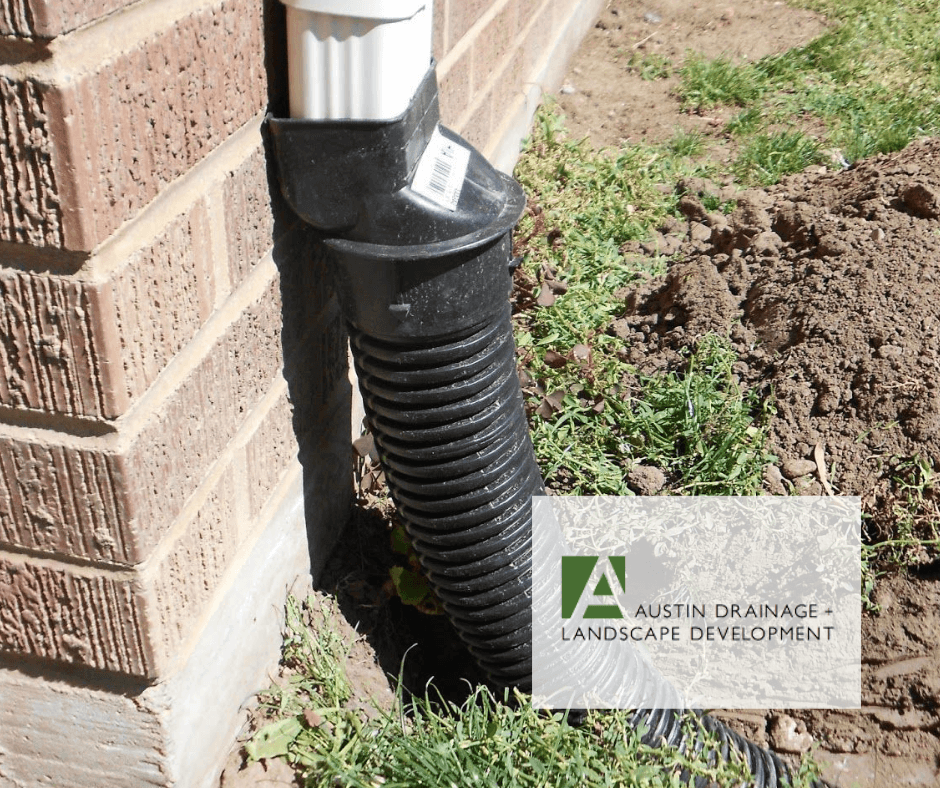
With these predictive capabilities, architects can make informed decisions on optimal locations and types of drainage solutions. Surface drainage systems, which deal with water that collects on the surface of the ground. This might involve grading the landscape to direct water flow, or installing elements like French drains or channel drains. This process isn't just intended to prevent rain from pouring over the edges of the home. Rain gutters, when attached to matching downspouts, allow the water to drain in a safe location where it is less likely to run back towards the foundation. When designing the slope and positioning of your gutters, it’s crucial to consider the surrounding landscaping.
B. Benefits of Effective Gutter Drainage
If you decide to go the DIY route, make sure the water empties at least ten feet away from the foundation. Gutters catch and disperse rainwater rather than it bouncing off roofs. You need to maintain your gutters to prevent debris buildup and water overflow.
What to Do About Clogged Downspouts
Ensure that the trenches have the correct slope to direct water away from your home. Before embarking on an underground gutter drainage project, you must plan carefully. This involves assessing your property, sizing the system correctly, and understanding any legal considerations. Dry wells are underground reservoirs that collect and store rainwater temporarily.
Introducing Siphonic Roof Drainage: Common in Europe, now gaining traction stateside - Construction Specifier - The Construction Specifier
Introducing Siphonic Roof Drainage: Common in Europe, now gaining traction stateside - Construction Specifier.
Posted: Tue, 11 Mar 2014 07:00:00 GMT [source]
Installation Steps
Or perhaps you’re experiencing mold and dampness in your home, but you can’t figure out the root cause. Mike Miller is a writer and editor with more than a decade of experience crafting consumer-facing content. He has a passion for helping homeowners find the best gutter protection for their homes. Drill a weep hole in the stone wall using a coring drill (bit roughly 18 inches).
Inspections are FREE for Homeowners throughout Southern California!
The only practical place to drain the puddle was along the garage and then into a downward-sloping hill toward the front yard. Instead of draining all the water to the front yard, however, we decided to install a dry well, which is merely a holding tank for a large water runoff. After a rain, it slowly drains itself (percolates) into the surrounding soil. Also, properly installed gutters, with a well-directed downspout that empties clear of the foundation, can be very effective.
The best way to prevent damage to the foundation is to install an underground gutter drainage system, such as a french drain. The biggest problem homeowners tend to experience with downspouts is clogging due to leaves, twigs, and other debris entering the gutter system from above. When the clog gets large enough, the rain cannot flow through the downspout, which causes it to back up and spill over the edge of the gutter.

You can see how to bury a downspout just like we did before – it moved the water further away but it’s not a long-term solution. Assemble the dry well once the perforations are knocked out of the sides. Dig a hole deep enough to accommodate your dry well and the overflow tube.
Resource Library - Silk Road Restaurant
Resource Library.
Posted: Wed, 19 Oct 2022 07:00:00 GMT [source]
For a yard drainage solution that lasts, call French Drain Man at 248-505-3065!
When designing your gutter system, consider the number and placement of downspouts to ensure efficient water flow and prevent overflow. A well-designed gutter drainage system is not just about aesthetics; it plays a crucial role in protecting your home from potential water damage. Without proper drainage, water can seep into your home’s foundation, causing cracks, mold growth, and structural instability. Additionally, water accumulation around your home can damage your landscaping, erode soil, and create a breeding ground for pests. By investing in a well-designed gutter system, you can prevent these issues and maintain the integrity of your home.
Install Roll-Out Drain Sleeves
Meanwhile, proper maintenance and the right choice of materials ensure minimal problems with the gutter integrity, and repairs are rarely required. The built-in nature of box gutters makes the installation more complicated. To ensure your box gutter installation goes smoothly, we recommend hiring experienced gutter specialists. With built-in gutters, the choice of material is important since replacing them can be labor-intensive. Determining which box gutter material is right for you will depend on a variety of factors, including the climate, your budget, and aesthetic appeal. In most cases, the more durable and long-lasting the material is, the higher the initial investment in the gutter.
Either way, it is not very natural that homes are built along the base of mountains. Water problems, fire damage, and earthquakes, in particular, can leave your home at risk of ruin. Moreover, these systems have led to a blurring of boundaries between traditionally separate disciplines. Architects must now also consider the hydrological cycle in their designs, fostering collaboration with landscape designers, environmental scientists, and civil engineers. You may need an extra pipe to be able to install the pop-up top so that it will be level with the ground.
The proper way to drain gutters depends on the layout of your property. Otherwise, debris buildup can obstruct water flow, causing water to back up into your roof or flood the area around your home’s foundation. Since homeowners prefer more durable materials to ensure longevity, the up-front costs are higher than they are with traditional gutters. The installation process is also more complicated and requires more labor, resulting in higher costs. In some cases, installing box gutters may require structural modifications, which can lead to additional expenses. Sub-surface drainage systems or ‘underdrains’, designed to handle water that infiltrates the ground.
Splash blocks are placed below the downspout’s outlet to adsorb the water velocity and direct water away from the foundation. Although some gutter problems are fairly easy to spot, others are less obvious. To catch issues early, be proactive about cleaning and inspecting your gutters regularly. As leaves come off trees in the fall and as snow and ice melt in the spring are smart times to inspect your gutters for clogs and damage.
There are several underground gutter drainage options available, each with its own set of benefits and considerations. When installing the gutters, it’s recommended to use a level or line level to ensure that the slope is accurate and consistent throughout the gutter run. Double-check the slope after installation to ensure that it hasn’t been altered or compromised during the process. Gutter cleaning should be done at least twice a year, preferably in the spring and fall, to remove debris that may accumulate and cause clogs.
They can save you a lot of time cleaning and maintaining your gutters. They’re also effective in avoiding gutter freezing, stopping blockages, and improving water flow. Larger guards, like 7-inch gutter guards, tend to be better for gutters that take on large amounts of rain. Rain gutters should drain at least 4 feet from your house, but 6–10 feet is preferable.
Remove debris, stones, leaves, and more from your gutter drainage system to improve its efficiency and effectiveness. Removing twigs and leaves prevents pests and animals from forming a nest, which could affect your drainage system. Tightening fixtures can help prevent leaks and reduce noise from gutters and downspouts. If you don’t address these problems right away, they can cause extensive damage. Our company specializes in this type of service and we have been in business for over 35 years. Our hillside drainage systems are backed by our 25-Year Warranty for your peace of mind.
Sectional gutters are the traditional gutter type, consisting of multiple sections that are pieced together to fit your home’s measurements. They are relatively easy to install and are available in a wide range of materials, including aluminum, steel, and vinyl. Sectional gutters are a budget-friendly option, but they do come with a higher risk of leaks and clogs due to the joints between sections. Metal gutters are your go-to option if your primary concern is durability and affordability. Galvanized steel gutters have high strength, lasting between 15 and 20 years.


No comments:
Post a Comment